Planning a Lawful Personal Garden Around Washington’s Regional Conditions
Washington was one of the first states in the country to legalize adult-use cannabis, and its licensed market is now one of the most mature in the U.S. But the state’s rules around personal cultivation are unusually strict compared to neighboring states, which shapes how residents and growers approach the idea of planning cannabis cultivation in Washington. Understanding the current legal landscape is the first and most important step before you plant anything, regardless of your experience level or intentions. Anyone considering growing weed in washington state should confirm the legal pathway that applies to the exact location and type of activity.
Begin with the Exact Jurisdiction: Additional Considerations
Cannabis rules can differ by state, city, county, license type, and property. Buyers should use current official sources instead of assuming that a statewide market makes every transaction or cultivation plan legal. Age limits, plant counts, visibility, medical provisions, transport, and commercial licensing may all require separate review.
Identify the Product Stage
Unlike neighboring Oregon and California, Washington does not currently allow adult-use home cultivation for recreational consumers. Only registered medical patients with a valid authorization from a qualified provider may grow their own cannabis at home, and even then, plant counts are limited by state regulation. If you’re interested in planning cannabis cultivation in Washington, verify your legal status carefully; the state’s rules are strict enough that even well-intentioned unregistered home grows can carry serious consequences, including criminal charges in some circumstances.
Review Genetic Information
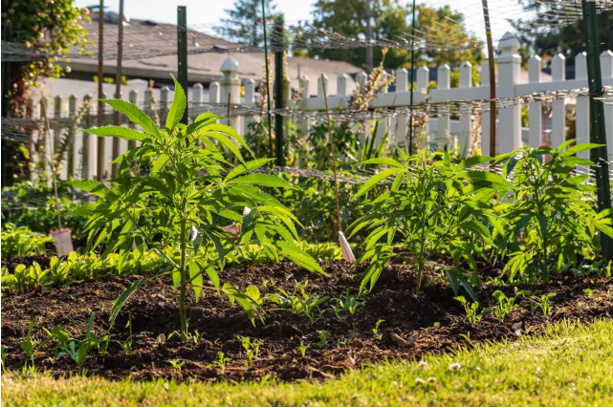
For qualifying medical patients, the process becomes much more approachable. Registered patients may cultivate a limited number of plants maintained in a personal garden for personal medical use, with plant counts and possession limits set by state regulation. Working with a licensed source for your starting genetics, whether seeds or clones, is essential to staying compliant and avoiding accidental violations of the tracking and possession rules that apply even to home medical grows. Healthy homegrown weed plants also require a setup that accounts for regional humidity, temperature changes, light, airflow, and seasonal timing.
Plan for Local Weather and Transport
A young plant can be stressed by heat, cold, wind, or a long wait in a vehicle. Pickup and delivery should be planned around current conditions, with containers kept upright and foliage protected. Plants should not remain on a porch or in a parked car. A direct trip to a prepared receiving area reduces avoidable exposure.
Compare Plant-Health Standards
Washington’s climate is a mixed bag for cannabis cultivation. Western Washington’s cool, wet weather makes outdoor cultivation challenging: mold and mildew pressure is high, especially in late flower when heavy autumn rains coincide with dense bud formation. Eastern Washington’s drier, sunnier conditions favor outdoor grows, with hot summers and cool fall nights that many strains actually love and finish beautifully in. Indoor and greenhouse cultivation dominates in the western half of the state for good reason, and most serious home grows in Seattle and Tacoma are fully enclosed.
Plan for Local Weather and Transport: Additional Considerations
Strain selection matters enormously for plants maintained in a personal garden in Washington. In cool, damp western regions, mold-resistant cultivars with shorter flowering times are the smart choice. Look for genetics with tight but airy bud structure, strong immune profiles, and a track record of finishing before the wettest autumn weeks arrive in September and October. In eastern Washington, you have more flexibility; sun-loving sativa hybrids can thrive there with proper irrigation and afternoon shade during the hottest weeks of summer.
Prepare a Receiving Area
Clean tools, moderate light, gentle airflow, labels, and enough space for inspection should be ready before the order arrives. New plants can be photographed and observed separately from established ones when practical. This allows the buyer to identify transport damage, pests, or unusual symptoms without immediately exposing the rest of the garden.
Prepare a Receiving Area: Additional Considerations
For indoor growers, environmental control is your biggest lever for consistent results. Washington’s cool average temperatures actually help you manage room temps during summer, but winter grows require careful humidity management as heated indoor air dries out fast and stresses plants. Aim for 40-50% RH in flower, 55-65% in veg, and consistent 68-78°F room temps with minimal swings between lights-on and lights-off periods.
Acclimate Gradually
Feeding strategy for planning cannabis cultivation in Washington depends heavily on your medium. Soil growers in the Pacific Northwest often use amended local mixes with compost and organic amendments; hydroponic growers rely on carefully managed nutrient reservoirs with tighter control. Whatever your method, invest in quality water testing; some parts of Washington have hard water that shifts pH and EC calculations significantly and can throw off feed schedules from other regions.
Keep Records and Verify Compliance
Saving order details, plant labels, seller correspondence, arrival photographs, and legal references creates an organized record. Commercial operators may have additional inventory or transfer requirements. Personal growers also benefit from written notes because regulations and property arrangements can change over time.
Evaluate Supplier Communication
For legal medical growers cultivating plants maintained in a personal garden, patience and observation are the two most valuable skills to develop. Start with proven genetics from a reputable source, dial in your environment before scaling plant count, and keep detailed grow logs of temperature, humidity, feeding, and plant response. Washington’s growing community is knowledgeable and generous with advice; tap into local grower networks, and you’ll shortcut months of trial and error.
Use a Written Checklist
A short written checklist keeps the decision process consistent. It can include legal verification, product stage, expected size, source information, transport timing, arrival photographs, environmental preparation, and the seller’s reporting policy. Written answers are easier to compare than memory, especially when several suppliers or products are being considered. The same checklist can be reused during receiving so that important details are not missed when the plant arrives.
Final Thoughts
Location-based purchasing requires more than a search result. Buyers need current legal information, a suitable plant, careful transport, a prepared receiving area, and clear seller policies. Local climate and property rules can influence the plan as much as the strain name. A consistent checklist helps customers compare sources responsibly and reduce preventable problems after arrival.