How the UK Vaping Law Recently Changed
Vaping in the UK has long been seen as a harm-reduction tool for adult smokers looking to quit tobacco. However, the growing popularity of disposable vapes, concerns about youth vaping, and the impact of single-use devices on the environment have led to some of the most significant changes in vaping legislation for years. Over the past year, new rules have come into force that affect how vapers buy and use their products, what retailers can sell, and how the vaping industry will operate in the future. Understanding these changes can help people adapt, whether they vape themselves or run a business in this sector.
The Ban on Disposable Vapes
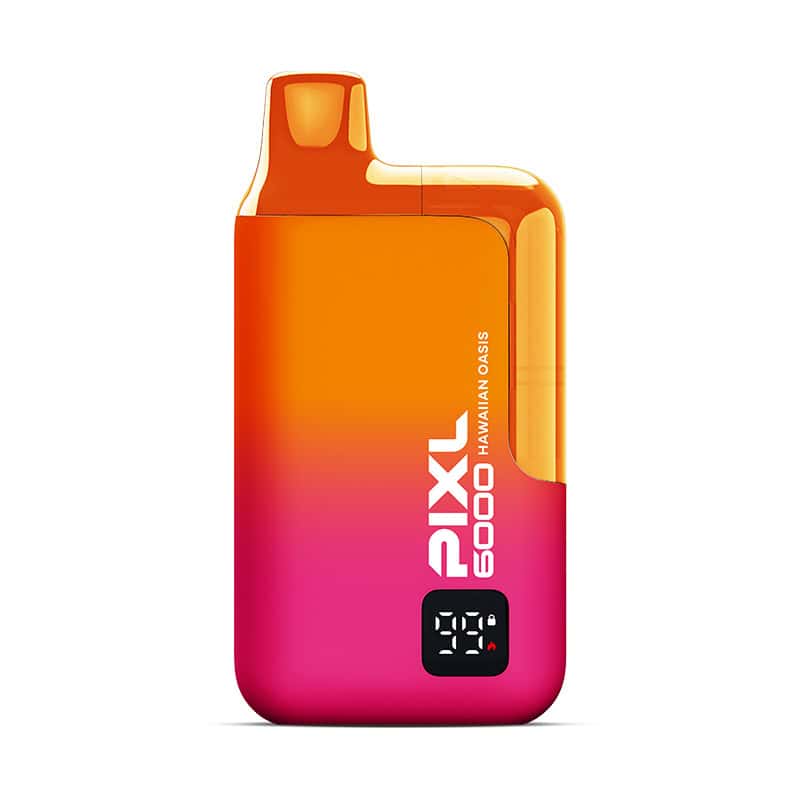
Perhaps the biggest change to come into effect is the ban on single-use disposable vapes. Disposable vapes had become increasingly popular, especially among younger people. Cheap, colourful and available in sweet flavours, these devices were often sold in corner shops and convenience stores. While disposables provided a convenient entry point for smokers trying to quit, they also created a huge waste problem. Millions of devices were ending up in landfill every week, contributing to environmental damage and litter on streets and beaches.
Under the new law, it is now illegal to sell or supply disposable vapes that cannot be recharged or refilled. Retailers have been required to remove unsold stock from their shelves and are expected to dispose of it responsibly. Many shops have been given the option to set up take-back schemes or work with recycling services to handle leftover stock. For adult vapers, this means finding alternatives such as refillable pod kits, reusable mods or other longer-lasting devices.
Enforcement and Challenges for Retailers
Whenever a new ban comes into place, there is always a transition period where old habits and leftover products can cause confusion. Trading standards officers across the UK are responsible for checking that shops comply with the disposable ban. Some reports suggest that certain convenience stores have continued to sell banned stock, either due to lack of awareness or in an attempt to clear inventory before enforcement officers visit.
Retailers who ignore the ban risk facing fines, confiscation of stock, or in more severe cases, prosecution. There are clear financial penalties for any shop caught supplying banned products. For those in the vaping industry, it has been a wake-up call to stay informed about the latest laws and to make sure staff are trained to refuse sales that no longer comply.
The Tobacco and Vapes Bill
Alongside the ban on disposables, the government has introduced a wider Tobacco and Vapes Bill that grants more powers to regulate vaping products. This Bill is part of a broader strategy to create what has been called a “smoke-free generation”. One of the headline measures is the plan to make it illegal to sell cigarettes to anyone born on or after a certain date, ensuring that future generations cannot legally buy tobacco. While this part focuses mainly on smoking, the Bill also covers vaping.
The Bill includes new powers to restrict how vape products are displayed, packaged and advertised. The idea is to reduce the appeal of vapes to young people. Flavours, packaging colours and even where products are placed in shops could all be regulated more strictly in the near future. Retailers may be required to keep vape products out of direct sight or use plain packaging similar to tobacco products.
Another change in the Bill is the introduction of a licensing or registration scheme for businesses that sell vaping products. This means shops will need to apply for permission to sell vapes and follow certain conditions. Retailers who break the rules could lose their licence, which could have a huge impact on smaller vape shops that rely on regular customers.
Tackling Youth Vaping
A major driver behind these new laws is the concern about rising youth vaping rates. Surveys have shown that more teenagers are experimenting with vaping than ever before. Bright colours, sweet flavours and social media trends have all contributed to vaping becoming more popular among underage groups.
The new laws make it clearer than ever that selling vapes to under-18s is illegal. Fines for retailers who sell to children have increased, and repeat offenders could face even harsher penalties. The Tobacco and Vapes Bill also gives the government powers to introduce further restrictions if needed, such as banning certain flavours that are seen as too appealing to children.
There is now more focus on how shops check for age verification. Retailers are being encouraged to use Challenge 25 policies, asking anyone who appears under 25 to prove their age. For parents, the hope is that tighter rules will reduce the chance of children getting hold of vape products from local shops.
Outdoor Vaping Restrictions
Another area that is changing is where people can vape. Up until now, vaping has not been restricted in public spaces to the same extent as smoking. Many people who switched from cigarettes to vapes have enjoyed being able to use their device in places where smoking would be banned.
However, as concerns grow over second-hand vapour and the normalisation of vaping among children, the government has signalled its intention to bring in new outdoor restrictions. Under the new laws, councils and transport authorities can now extend smoke-free zones to include vaping. This could include school gates, playgrounds, bus stops and hospital grounds.
Some local councils have already started implementing these changes. Signs are appearing in areas popular with families, warning that fines may be issued for vaping in certain places. For vapers who rely on their device to avoid cigarettes, it will be important to check local rules to avoid unexpected penalties.
Impact on Adult Smokers
While much of the new legislation is designed to tackle youth vaping and environmental waste, it is worth noting that the government continues to recognise that vaping is less harmful than smoking. Public health bodies still support the idea that vaping can help adult smokers quit tobacco.
With the ban on disposables, there has been concern that some smokers who used cheap disposable devices to quit might relapse. To counter this, there has been a push to ensure affordable, refillable options are available. Many vape shops have responded by expanding their range of pod kits and open systems, which offer a similar experience to disposables but with the added benefit of being reusable and more sustainable.
Some smokers are also looking at other nicotine alternatives, including nicotine pouches or heated tobacco products. These are not affected by the disposable ban but still fall under the broader age restrictions and packaging rules covered in the Tobacco and Vapes Bill.
How the Industry is Adapting
The vaping industry in the UK has had to adapt quickly to keep up with these changes. Many vape shops have stopped selling disposables entirely and are helping customers switch to refillable kits. Staff are having to spend more time explaining how reusable pods work, how to refill them properly and how to maintain them.
Wholesalers and manufacturers are shifting production away from single-use devices towards products that can be recharged and refilled. There is also more emphasis on sustainability, with companies looking at recycling schemes, biodegradable packaging and ways to encourage responsible disposal of used pods and coils.
Retailers are paying closer attention to staff training, ensuring that everyone knows the age verification rules and the penalties for getting it wrong. The idea is that by tightening standards across the whole supply chain, vaping can remain a harm-reduction tool for adults without posing such risks to the environment or young people.
What Vapers Should Do Now
For vapers in the UK, these changes mean taking a closer look at the products they use and how they buy them. If you previously relied on disposables, it is a good time to explore reusable pod systems. Many modern pod kits are simple to use and provide a similar throat hit and flavour range as disposables, often with better battery life and less waste.
It is also important to be aware of where you can and cannot vape, as outdoor restrictions are likely to become more common. Vapers should watch for signs in public places and be prepared to follow new local rules.
Checking that you buy from reputable retailers is another key step. Shops that follow the law will not sell banned products or supply vapes to underage customers. Supporting these responsible businesses helps maintain a safe and sustainable vaping industry for everyone.
Looking Ahead
The new vaping laws mark the biggest shake-up in UK vaping rules for some time. By banning single-use disposables, tightening controls on flavours and packaging, and giving local authorities more powers to restrict where people can vape, the government is sending a clear message that while vaping remains an important tool for helping adults quit smoking, it must be regulated to protect young people and the environment.
For those who vape or work in the industry, staying informed and adapting to the new landscape will help ensure that vaping continues to be a viable, safer alternative to smoking for years to come.