Grey Goose Strain Explained: Genetics, Characteristics, and What to Know
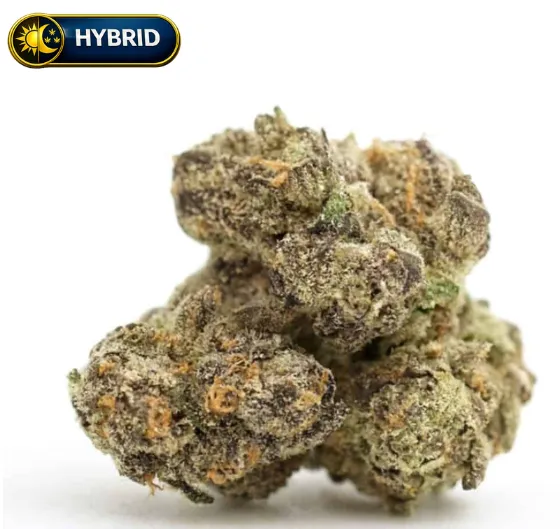
The Grey Goose strain is a cannabis cultivar name used for products described as a balanced hybrid. Like many cannabis strain names, however, the exact characteristics can vary between growers and producers. Genetics, cultivation practices, harvest timing, curing, and storage can all influence the final product.
For this reason, a strain name should be considered a starting point rather than a guarantee of a particular cannabinoid or terpene profile.
What Is the Grey Goose Strain?
Grey Goose is commonly marketed as a balanced hybrid, suggesting characteristics associated with both traditional Indica- and Sativa-type genetics.
Modern cannabis genetics are highly crossbred, making simple Indica/Sativa classifications less precise than they once were. When researching a particular Grey Goose product, consumers can gain more useful information by examining its:
-
THC concentration
-
CBD concentration
-
Terpene profile
-
Genetic information
-
Laboratory results
-
Packaging date
These details describe the specific product more accurately than the cultivar name alone.
Grey Goose Appearance
Cannabis flower marketed under the Grey Goose name may vary in appearance depending on the producer and growing conditions.
Visual characteristics can include:
-
Green flower coloration
-
Dense or compact buds
-
Visible trichomes
-
Orange or amber pistils
Appearance is influenced by genetics, cultivation, drying, curing, and storage, so products carrying the same name may not look identical.
Aroma and Terpene Profile
Terpenes are naturally occurring aromatic compounds that contribute to cannabis fragrance and flavor.
Potentially relevant terpene families can include:
-
Myrcene
-
Limonene
-
Caryophyllene
-
Pinene
The actual terpene profile of Grey Goose can vary considerably between products. Laboratory results provide a more reliable indication of the compounds present in a particular batch.
Understanding Cannabinoid Content
THC and CBD are two of the most familiar cannabinoids found in cannabis. Their concentrations can vary significantly between cultivars and individual batches.
When evaluating a Grey Goose product, check the packaging for:
-
Total THC
-
Total CBD
-
Net weight
-
Batch or lot number
-
Packaging date
-
Required health warnings
This information helps distinguish a specific product from general claims associated with a strain name.
What Does “Balanced Hybrid” Mean?
The phrase balanced hybrid is generally used to describe cannabis products that combine genetics associated with both Indica and Sativa lineages.
However, it does not necessarily mean the product contains an exact 50/50 genetic or chemical balance.
Modern cannabis varieties are often genetically complex. Cannabinoid and terpene profiles therefore provide more meaningful product information than the traditional classification alone.
Factors That Influence Cannabis Quality
Several factors can influence the quality and characteristics of cannabis flower.
Genetics
Genetics influence plant structure, cannabinoid production, terpene expression, and flowering characteristics.
Cultivation
Environmental conditions such as light, temperature, humidity, and nutrition can affect the final flower.
Drying and Curing
Post-harvest processing influences aroma, texture, and stability.
Storage
Excessive heat, light, oxygen, or moisture can affect cannabis quality over time.
Why Laboratory Testing Matters
Laboratory testing provides product-specific information that a strain name cannot provide.
Depending on applicable regulations, testing may assess:
-
Cannabinoid content
-
Pesticides
-
Heavy metals
-
Microbial contamination
-
Other regulated contaminants
Checking current laboratory and label information is therefore useful when comparing cannabis products.
Frequently Asked Questions
Is Grey Goose an Indica or Sativa?
Grey Goose is commonly described as a balanced hybrid. However, classification can vary between producers, and product-specific cannabinoid and terpene information is more precise.
Does every Grey Goose product have the same THC level?
No. THC concentration can vary between growers, batches, cultivation methods, and individual products.
What determines the aroma of Grey Goose?
Aroma is primarily influenced by the terpene profile, which can vary according to genetics, cultivation, processing, and storage.
Why shouldn’t consumers rely only on strain names?
Cannabis strain names and classifications are not completely standardized. Laboratory testing and product labels provide more reliable information about a particular batch.
Final Thoughts
The Grey Goose strain is generally associated with a balanced hybrid classification, but its exact characteristics can vary between producers. Genetics, cannabinoid concentration, terpene composition, cultivation, curing, and storage all influence the final product.
For the most accurate understanding of a specific Grey Goose product, review its current label and laboratory information rather than relying exclusively on the strain name or general descriptions.